Musée Yves Saint Laurent, Marrakech
What the permanent gallery holds
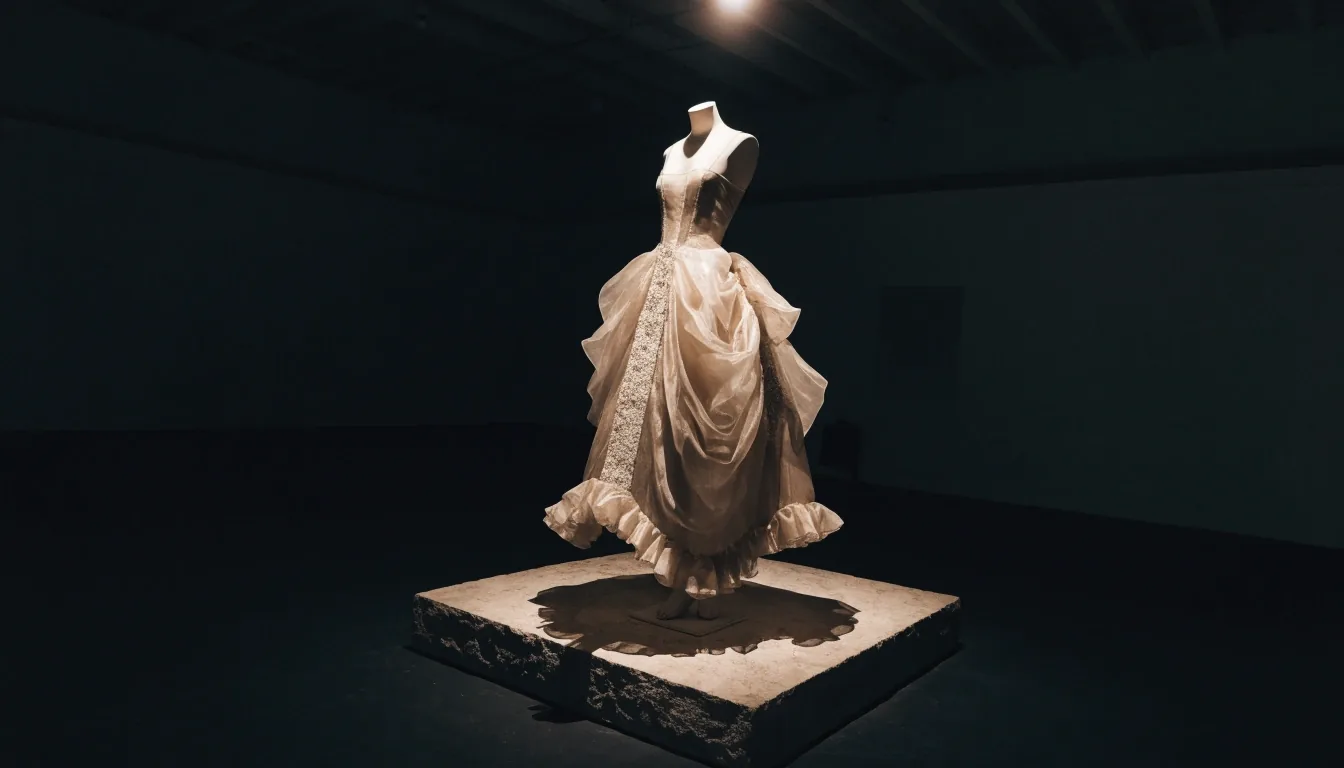
The permanent exhibition is the reason most visitors come. It is smaller and more deliberate than the building suggests, and it stages haute couture alongside the sketches and archive material that produced it.
Tuesday to Sunday · 10:00 – 18:00
A gallery built around process
Christophe Martin designed the museum's permanent exhibition space, and his work is credited in the museum's architecture and visitor-material descriptions. That matters more than it sounds. His staging frames Saint Laurent's garments and the creative process behind them, and the permanent gallery is a major part of the interior experience — not a side room you pass through on the way out.
Design choices here decide how close you get to the work and how the sequence unfolds. That is why the same room can feel crowded on a rushed circuit and generous on a slow one. If you take nothing else from this page, take the pacing.
The collection
Haute couture, staged for a permanent room
The garments on show lean on the Yves Saint Laurent Foundation in Paris, which lent couture pieces for the Marrakech museum. That lending relationship is what makes the display possible at this level. You are looking at archive couture, staged for a permanent setting rather than a touring show, and the selection favours pieces that carry the Moroccan thread and the designer's working method.
A garment that carries the Moroccan thread is never only decoration. In this room the colours are read next to the archive that produced them.
Sketch to garment
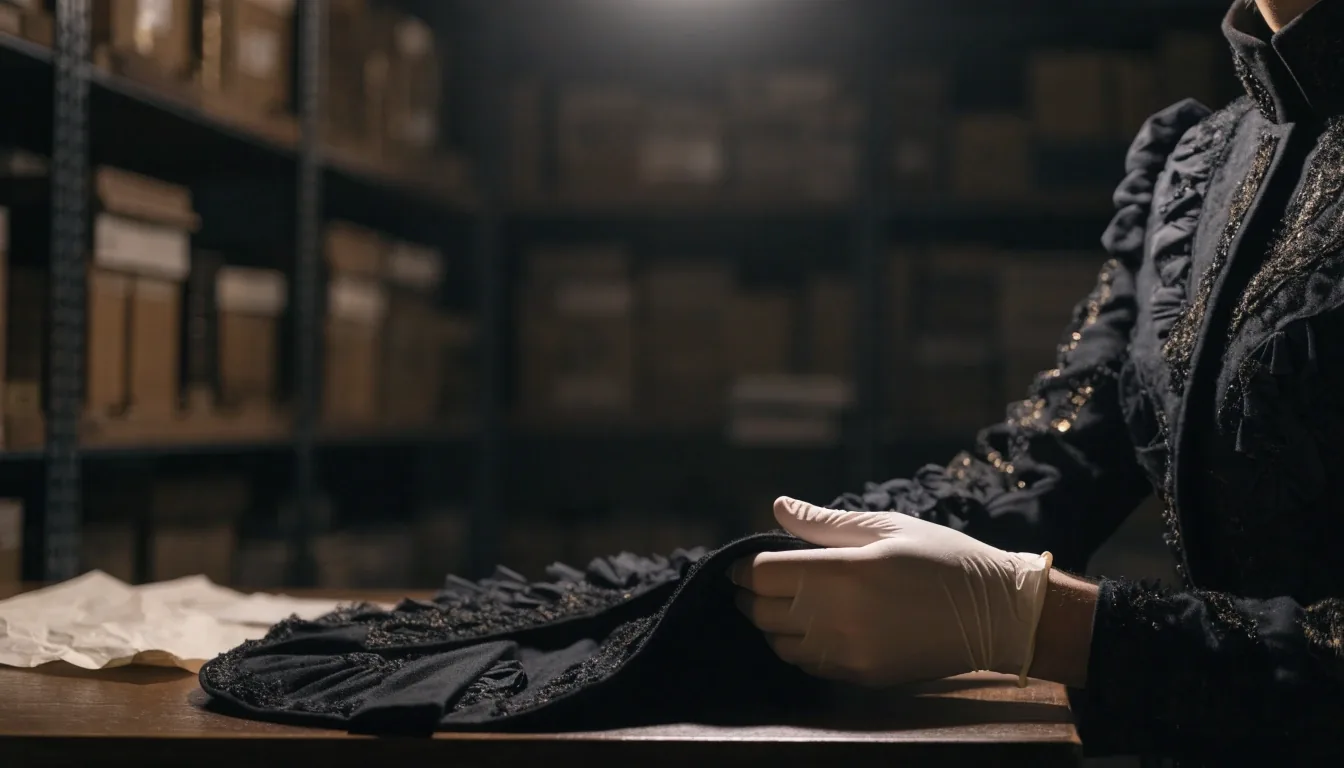
Sketches and archive material sit next to the clothes
Archive sketches and reference material sit near the finished garments, so the gallery shows process as well as result. This matters if you want to understand how a collection developed rather than only how it looked on a runway. Read the sketches as the connective tissue between one garment and the next — they explain which decisions survived into cloth and which stopped at the drawing. The research library extends that material further for visitors who want to keep going.
How the staging shapes the visit
Martin's design guides you through the space in a particular order, and the lighting and display decisions are part of that. Garments are framed rather than crowded, which rewards slower looking. If you walk the gallery at speed, you will miss the relationships the staging sets up.
Give it the calmest hour of your visit — earlier in the day usually means fewer people stepping between you and the plinths.
Floor-level start, straight into the couture hall so the first garment lands before any wall text does.
The sequence steps between garments and the sketches behind them, so you read one idea at a time rather than a timeline.
Each form gets its own pool of light; the floor between them stays dark, which is why photographs come out flatter than the room feels.
The room is small. Two or three people stopped at the same plinth changes the visit, and a slow hour changes it back.
About an hour if you look properly. Faster if you skim, but the staging pays you back for the pause.
Curatorial argument
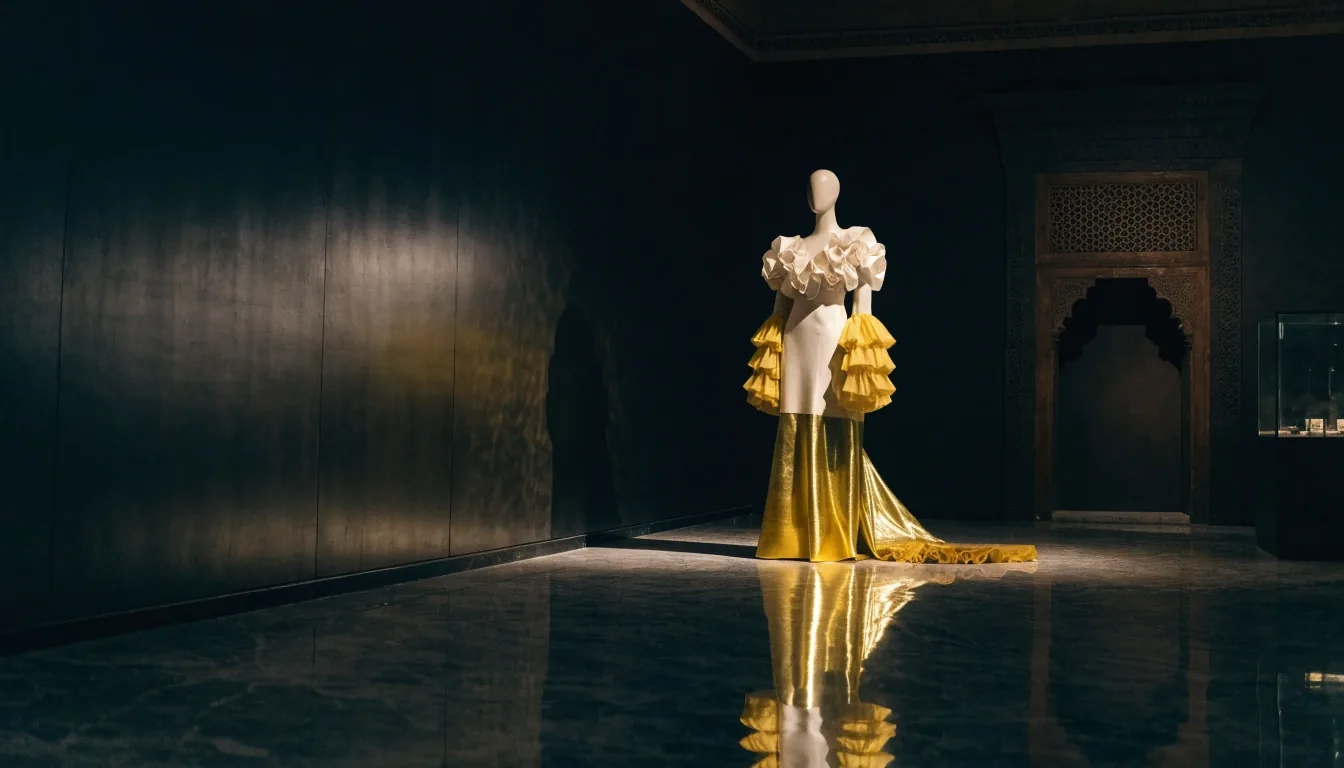
This is not a decade-by-decade survey
The selection is curated around ideas, with Moroccan inspiration and creative process as recurring threads. That approach means some famous pieces may not appear, while less obvious work does. The payoff is a coherent argument rather than a timeline. Visitors who expect a retrospective sometimes need a minute to adjust — walk it once to see the thread, then a second time to chase a favourite.
Why a second visit reads differently
The permanent gallery is stable, but it is not static in how it reads. If you come back after seeing a temporary exhibition, the permanent pieces often look different in relation to it. The same happens after spending time in Jardin Majorelle, where the colours start to explain choices in the garments.
That is one reason the museum rewards more than one visit. It is also why the order of your day matters: garden first, permanent gallery second, changes which garments you stop at.
Keep reading nearby
The permanent room is one part of a visit that also carries a temporary programme, a research library, an auditorium and a bookstore. If the gallery leaves you with a question, one of these is usually where the answer sits.
How to read the room
A short order for the permanent gallery
Walk the whole room once without stopping. Let the staging show you the order of ideas before you decide which garment deserves your attention.
Read the sketches next to the pieces that draw you, not the pieces you recognise. The archive material is where the working method shows.
Return to one garment at the end, when you have the whole argument in your head. The second look is usually the one that stays with you.
Check the photography rules at the entrance before you start. Couture display often carries restrictions, and asking up front saves you from being told later.
Questions before you go in
Short answers to the practical things visitors ask most often about the permanent gallery.
Is the permanent exhibition the whole museum?
No. There is a separate temporary exhibition space, plus an auditorium, a research library, and a bookstore. The permanent gallery is the core, but it is one part of the visit — and the temporary programme next door often changes how the permanent pieces read.
Can I photograph the garments?
Rules vary and are usually posted at the entrance or explained by staff. Check when you arrive rather than assuming, since couture display often carries restrictions. If photography is not allowed in the gallery, the garden and the exterior are easier places to use a camera.
How long does the permanent gallery take?
About an hour if you look properly. Faster if you skim, but the staging rewards a slower pace, and the sketches take time to read. If you have a second day, splitting the visit works well.
Where does the display material come from?
The garments on show lean on the Yves Saint Laurent Foundation in Paris, which lent couture pieces for the Marrakech museum. Archive sketches and reference material support them in the room, and the research library extends that material for readers who want to go further.
Plan the permanent gallery into your day
Musée Yves Saint Laurent, Marrakech — open Tuesday to Sunday, 10:00 – 18:00. Reach out if you need help timing your visit around the temporary programme.